
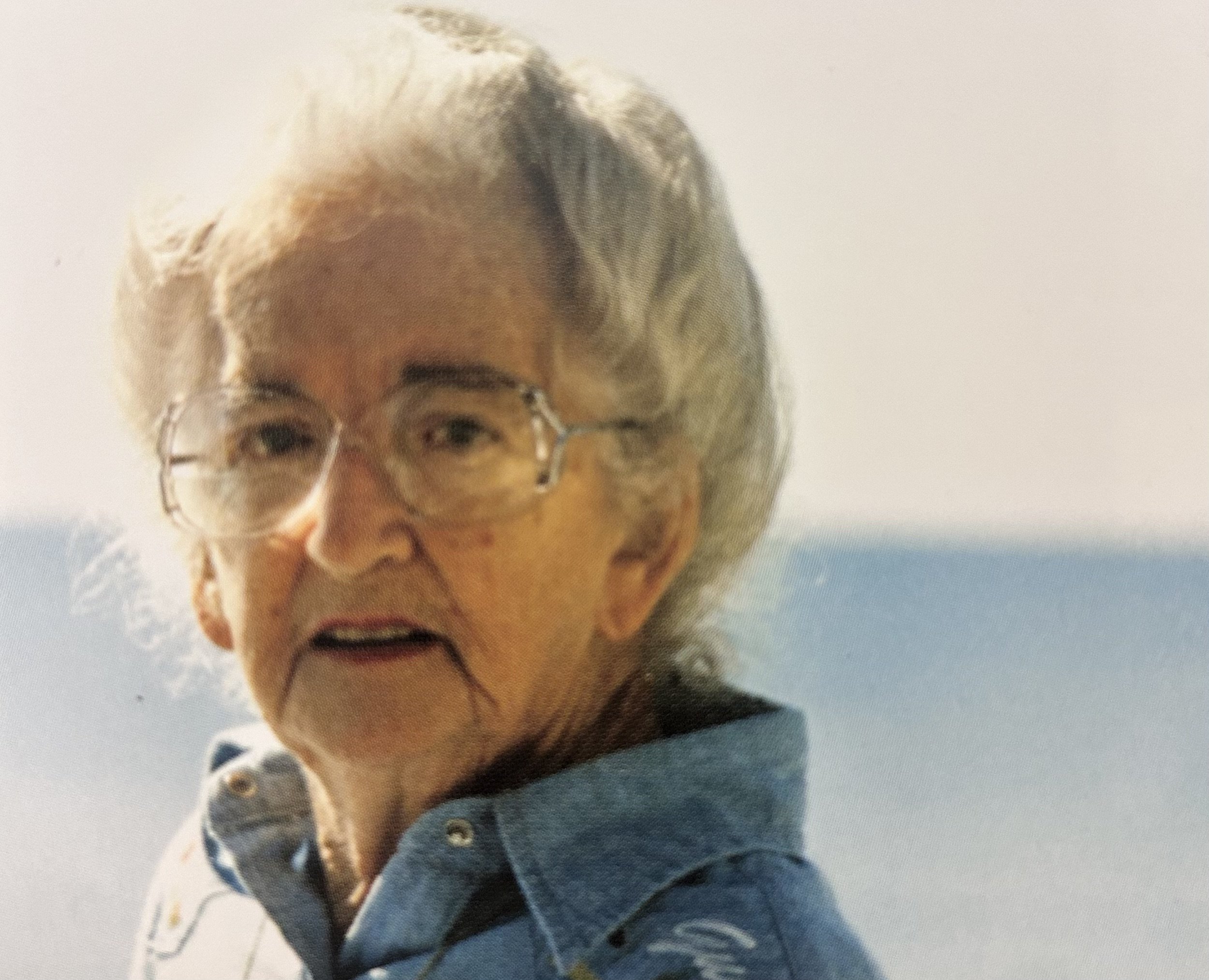
Meet Miss Alice
Teacher. Storyteller. Wife. Mother. Folk Artist. One Unforgettable Woman.
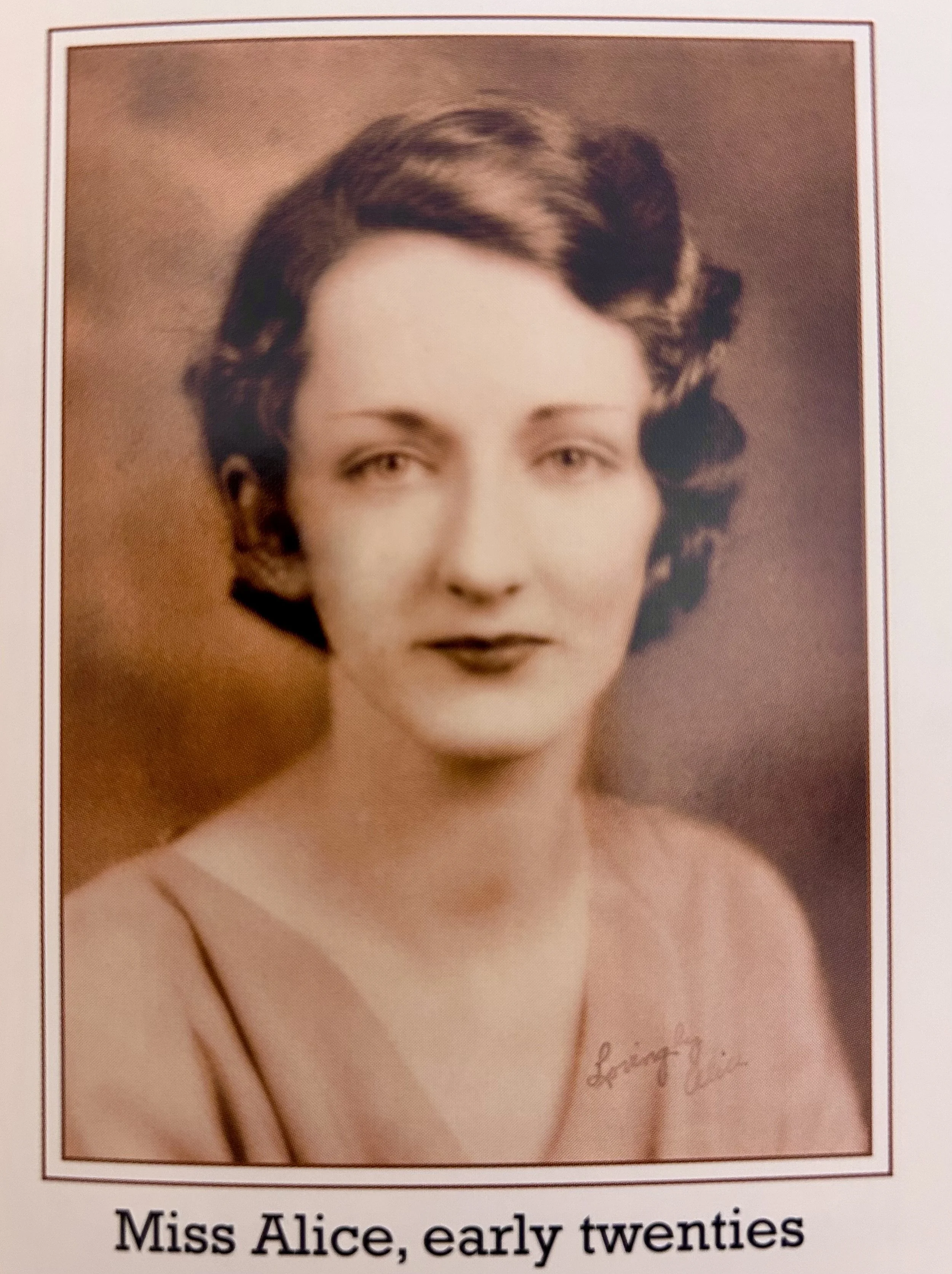
Long before the world knew Alice Latimer Moseley as Ms. Alice, she had already lived a remarkable life. She grew up in Birmingham, survived the upheaval of the Great Depression, cared for her family through tragedy, built a life with her husband Mose, raised their son Tim, and spent years as an English teacher.
She did not begin painting until later in life. By then, she had decades of memories, people, places, hard lessons, family stories, and laughter stored away - exactly the things that would eventually fill her canvases.
“You don’t have a good day; you make a good day” - Alice Moseley
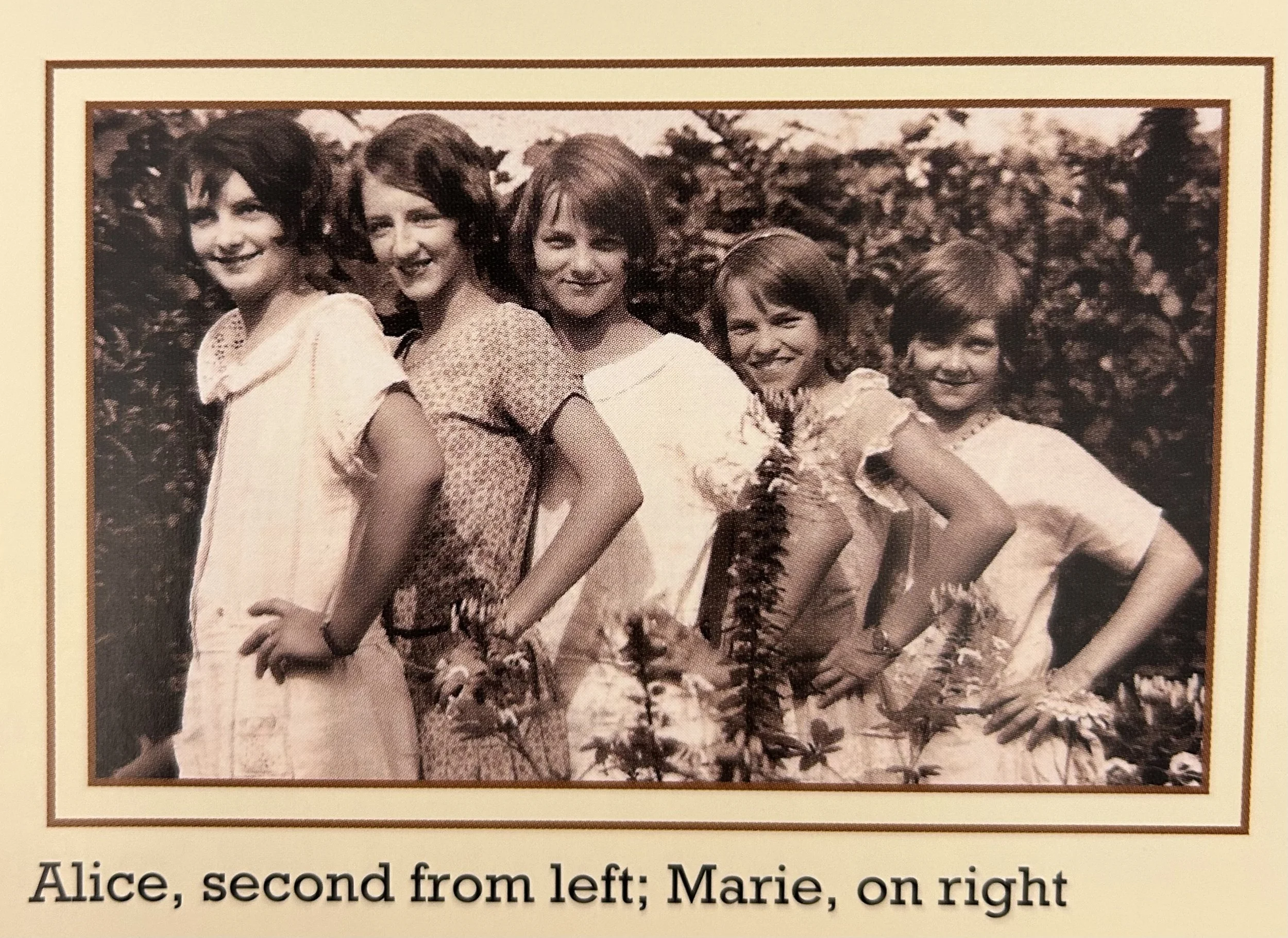
Birmingham Beginnings
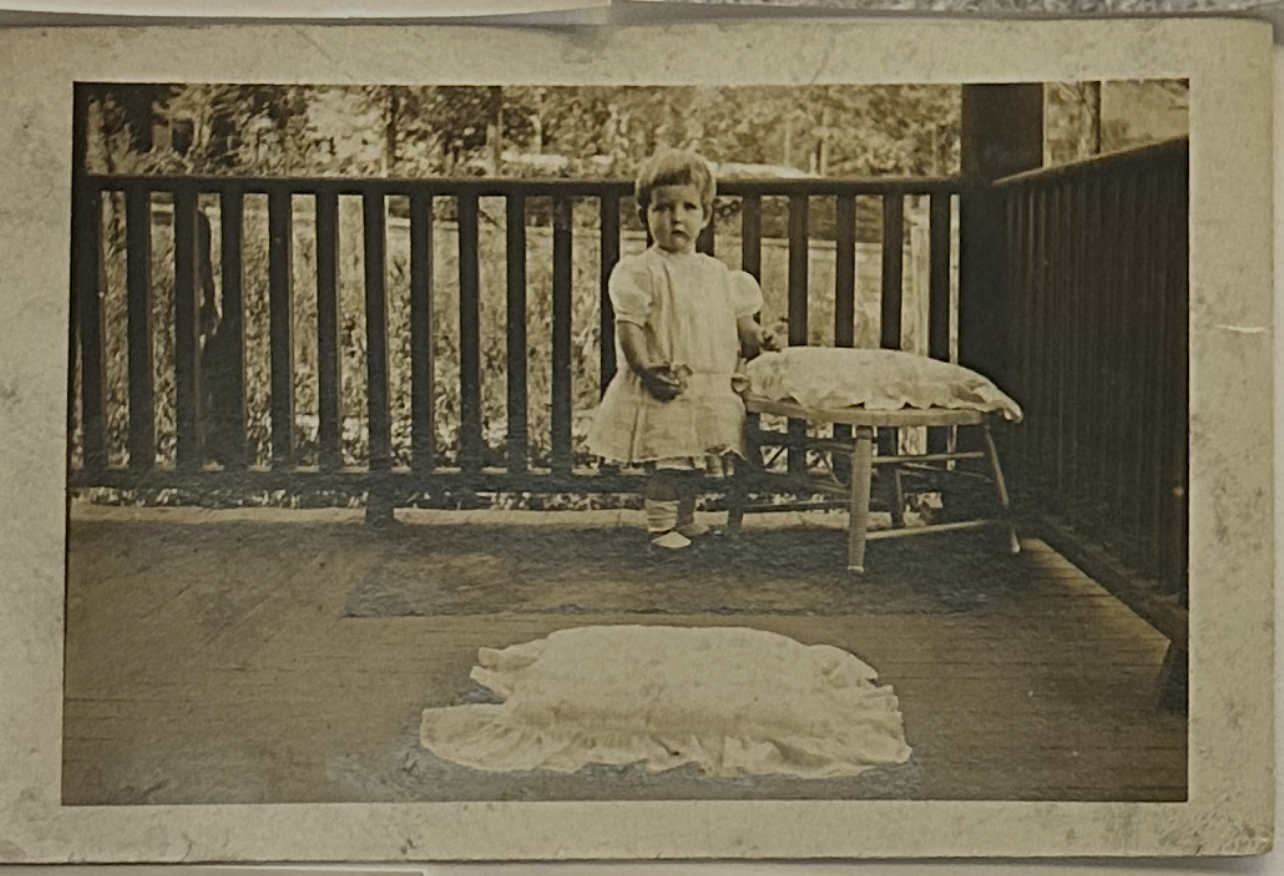
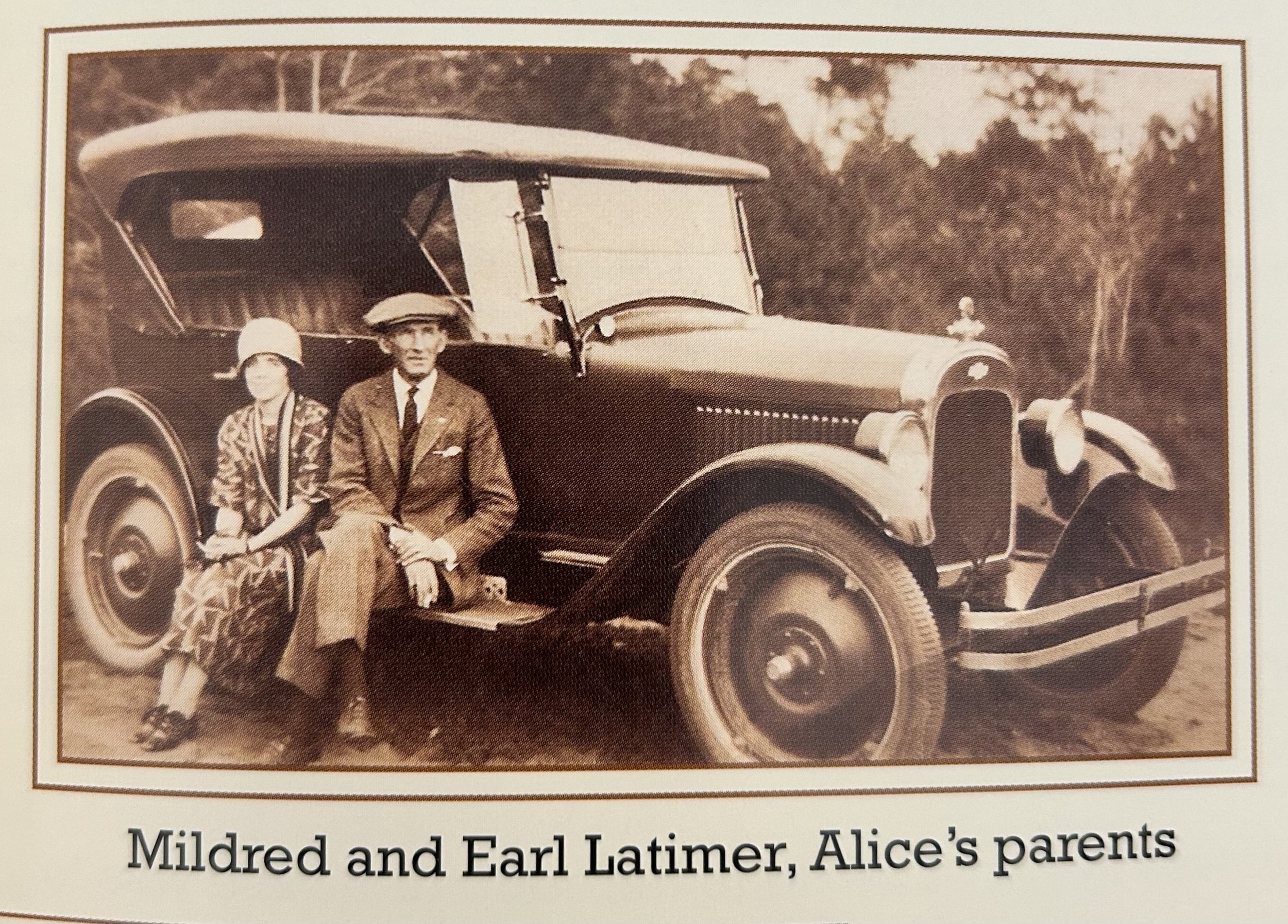
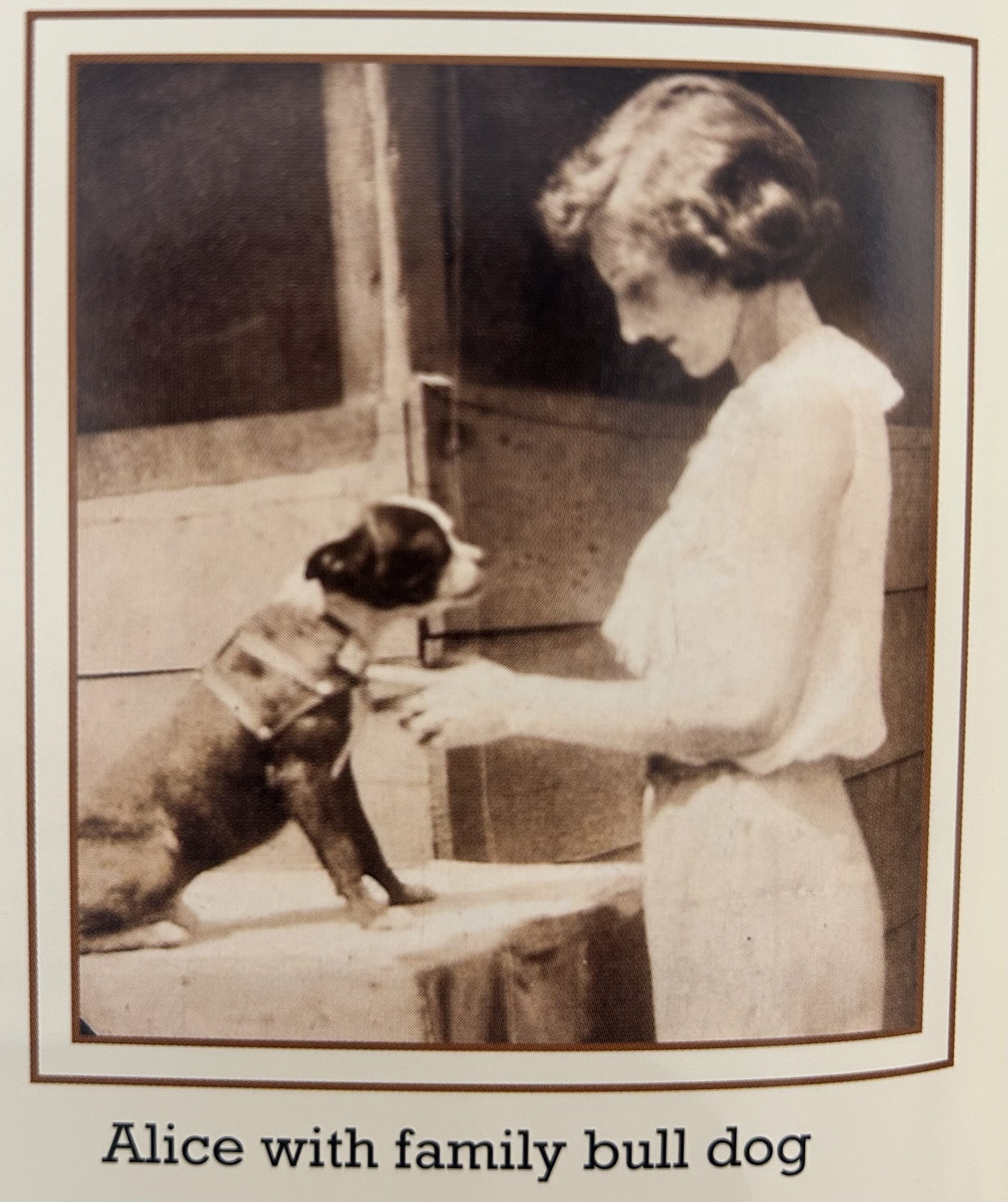
Alice was born in Birmingham, AL, in 1909 to Earl and Mildred Latimer. She grew up spirited, athletic, curious, and far more interested in being a tomboy than becoming the polished young lady her mother had imagined.
She was especially close to her father, who encouraged her love of sports and became an important teacher and influence in her early life. Alice attended the University of Alabama and played tennis, but the security of her childhood did not last.
“I think my mother gave up on me pretty early. And I was delighted when she did.”
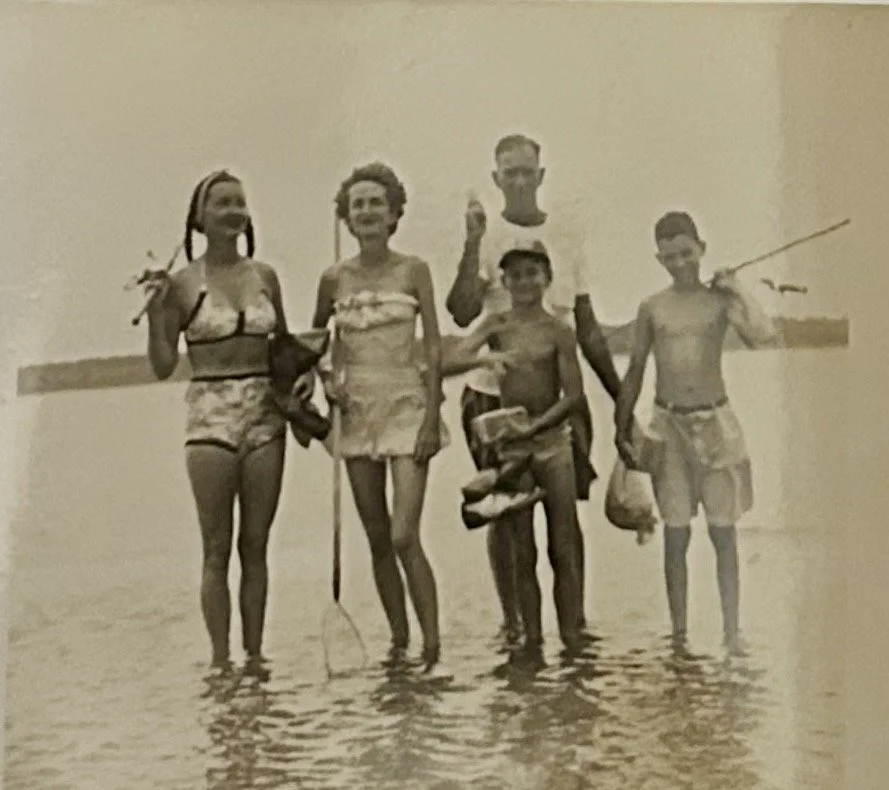
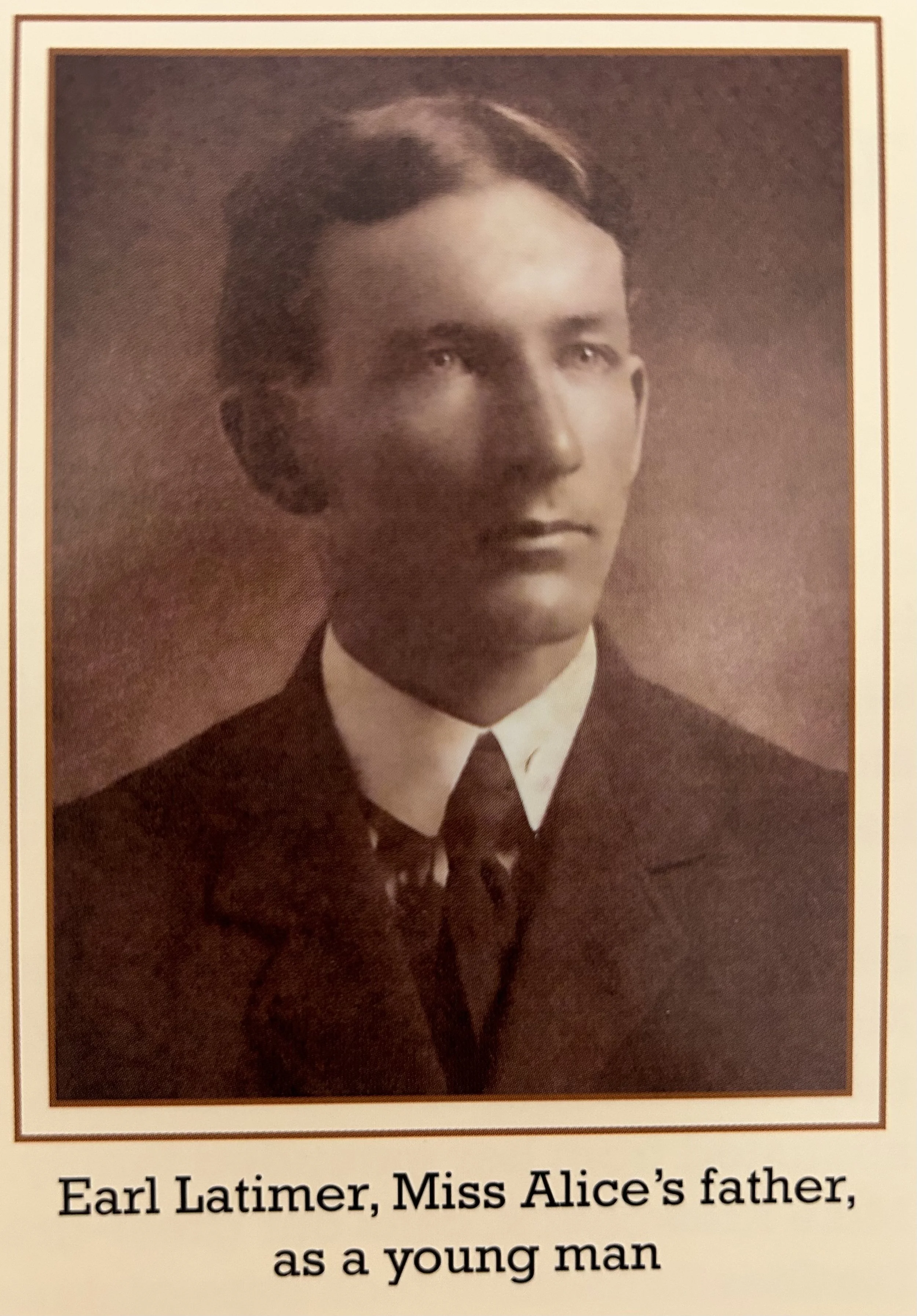
Hard Times Changed Everything
The Great Depression hit the Latimer family hard. Alice’s father lost his work in the steel industry and later died by suicide. Alice left college and took on responsibility for helping care for her mother and sister.
Those years mattered. Alice learned early that life could change without warning, and that people often survived because they worked, adapted, laughed when they could, and kept going.
Decades later, those same people — ordinary, resilient, imperfect people — would populate her paintings.
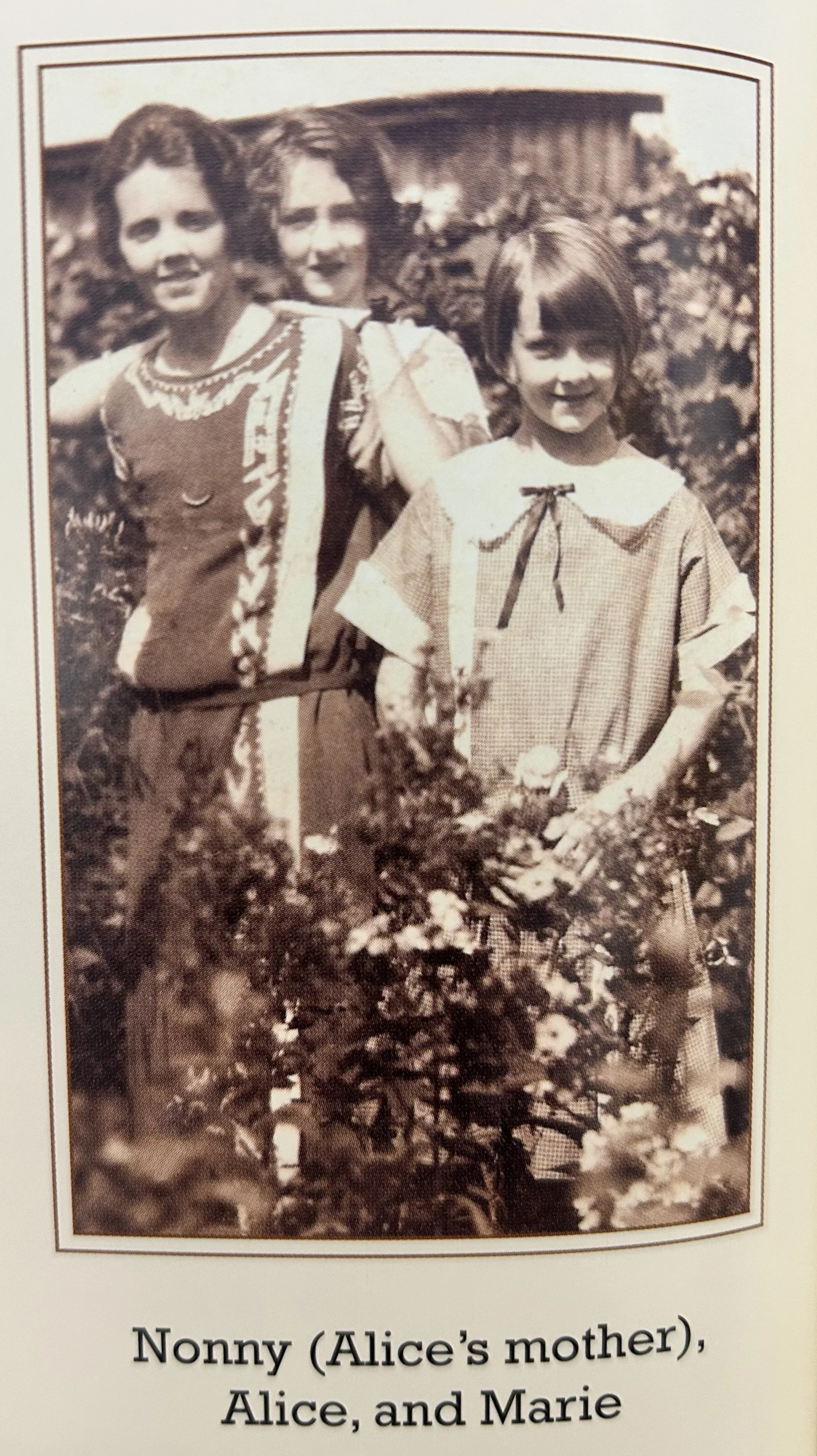
Mose, Tim, and the Family She Built
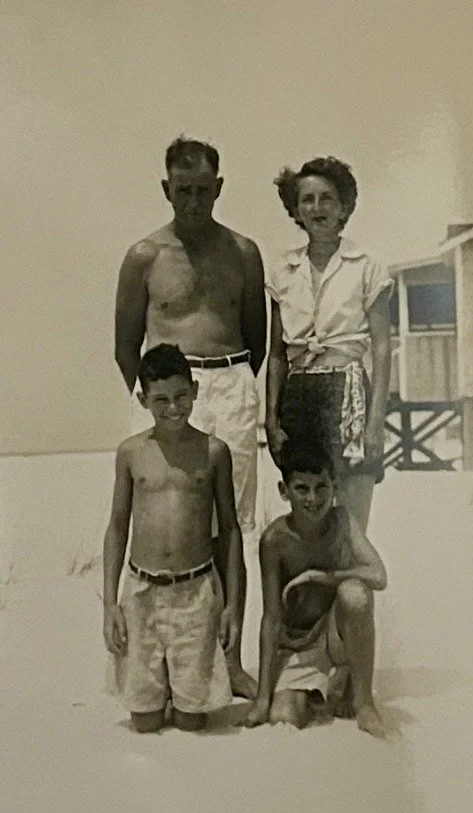
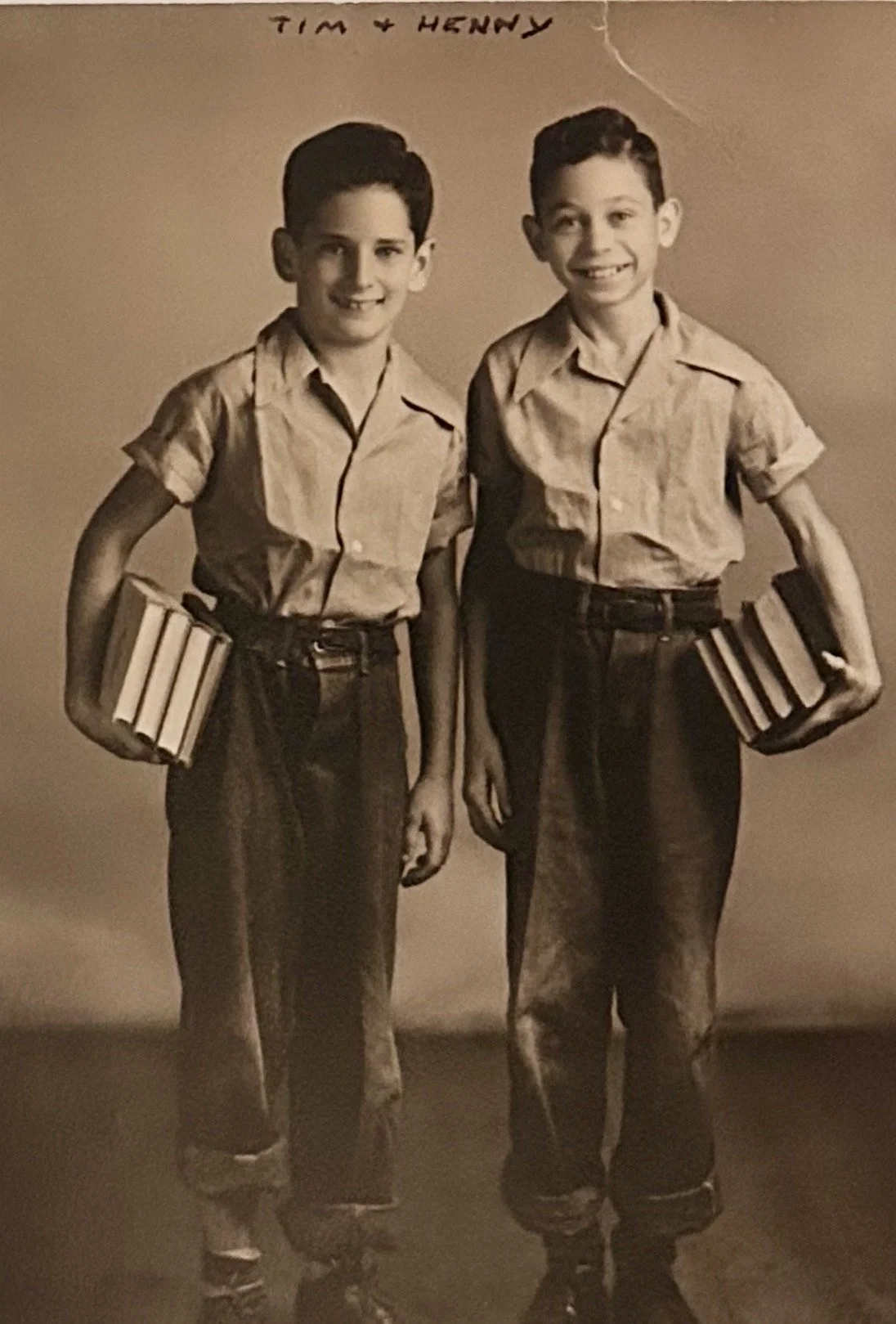
Alice married William Jones “Mose” Moseley in 1934. Their early married years were lean, but together they built a home and a family. Their son, Tim, became one of the most important people in Alice’s life and later helped preserve her story and legacy.
Mose was practical, hardworking, and steady. Alice was quick-witted, expressive, and restless with convention. They were different in many ways, but his grounded philosophy of making the best of what life handed you became part of Alice’s own outlook.
“My mother thought he was nuts, but it really happened, just the way he said it would.”
BEFORE THE PAINTINGS, THERE WAS THE CLASSROOM
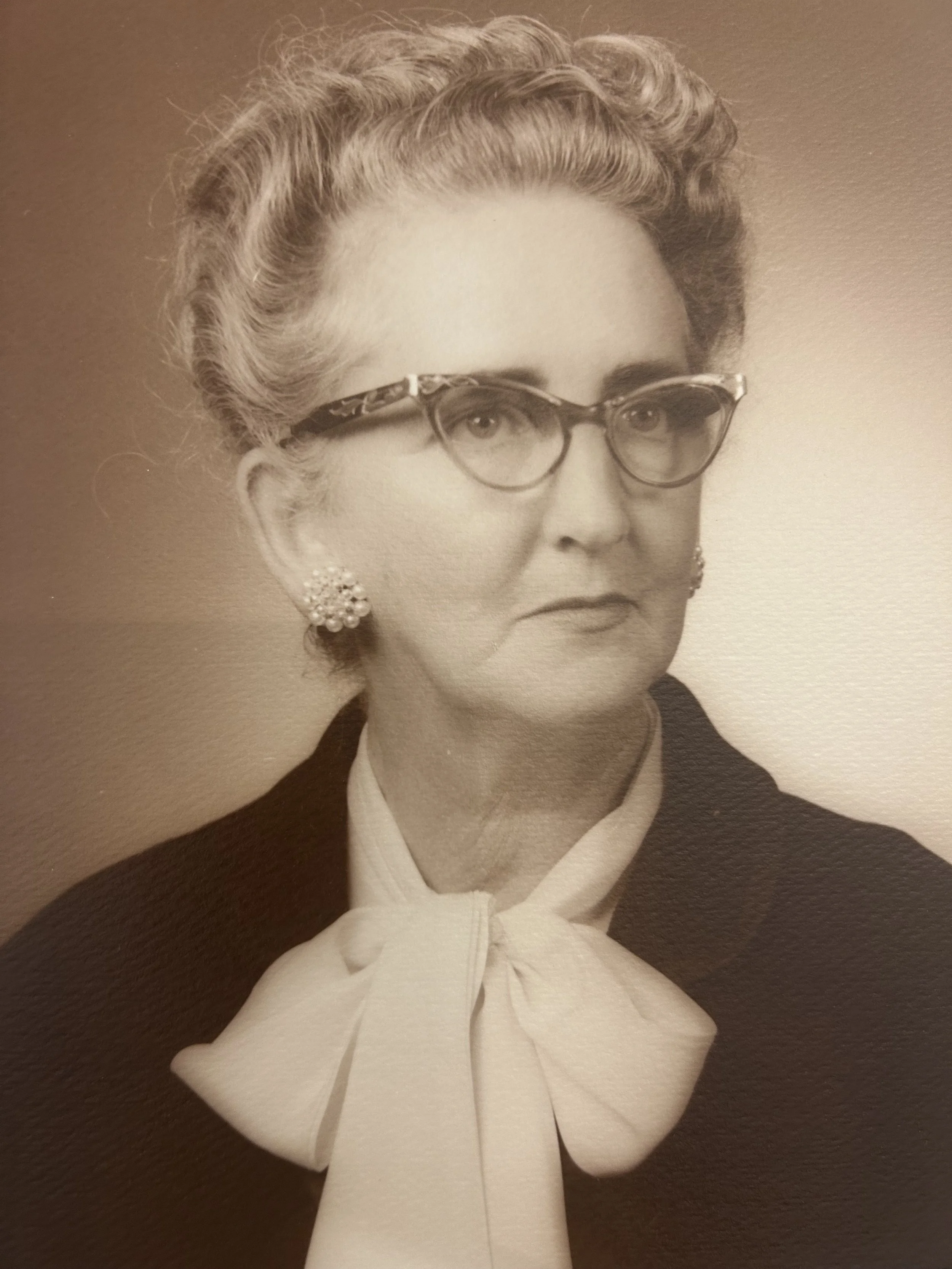
After the family moved to the Memphis area, Alice earned her teaching credentials and became an English teacher.
She loved teaching — not simply because she loved stories, but because she loved watching people discover what they could do.
That part of her never disappeared. Even after she became an artist, Alice was still a teacher at heart: telling a story, making a point, pulling people in, and helping them see something familiar in a new way.
“Telling stories through my pictures is wonderful, but not as wonderful as the look on someone’s face when they’ve accomplished something with their lives, and you know you’ve helped.”
PAINTING FOUND HER LATER
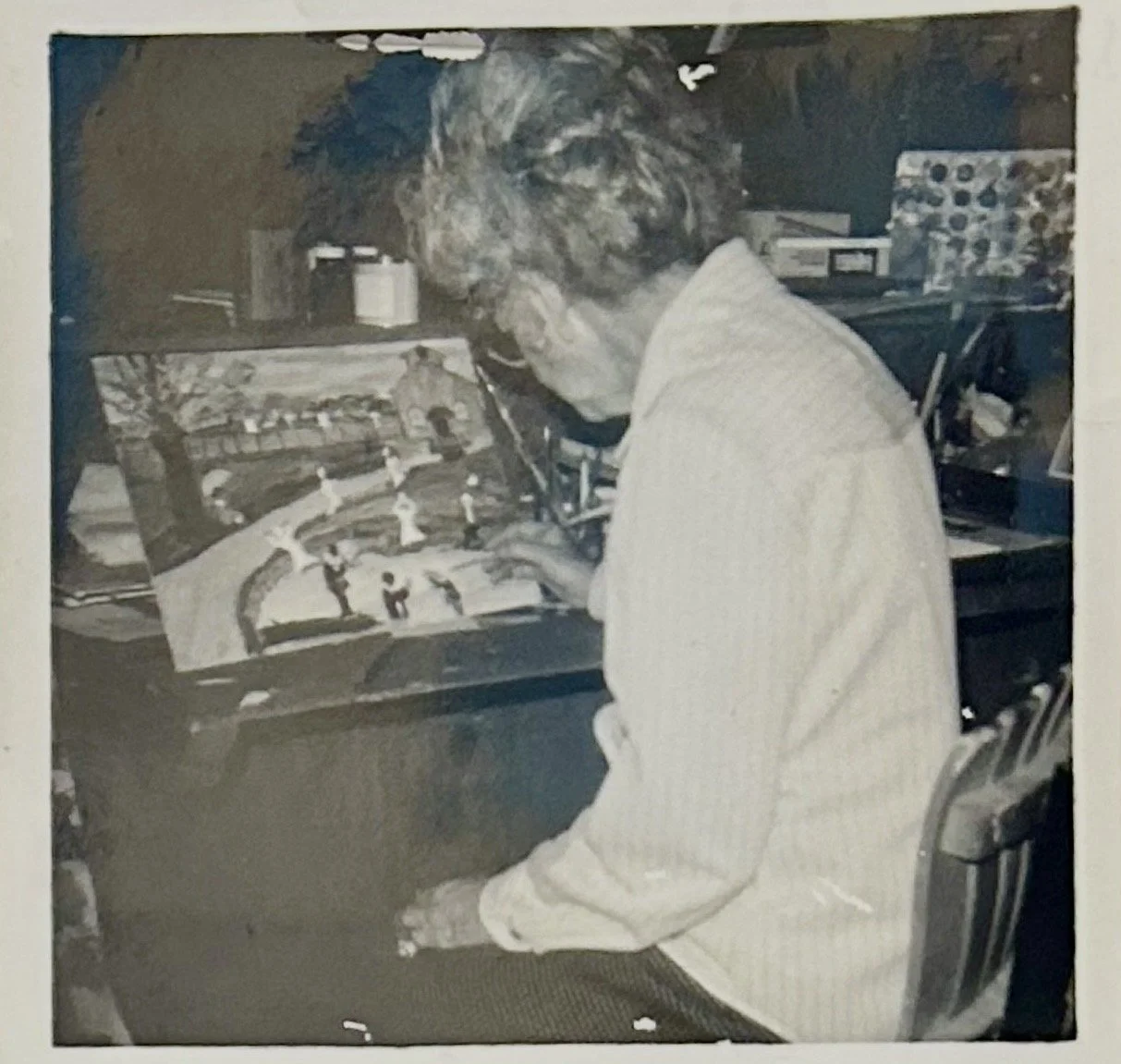
Alice began painting while caring for her mother, Mildred, who had developed Alzheimer’s disease.
It was a difficult, exhausting chapter, and painting gave Alice somewhere to put the grief and emotion she was carrying.
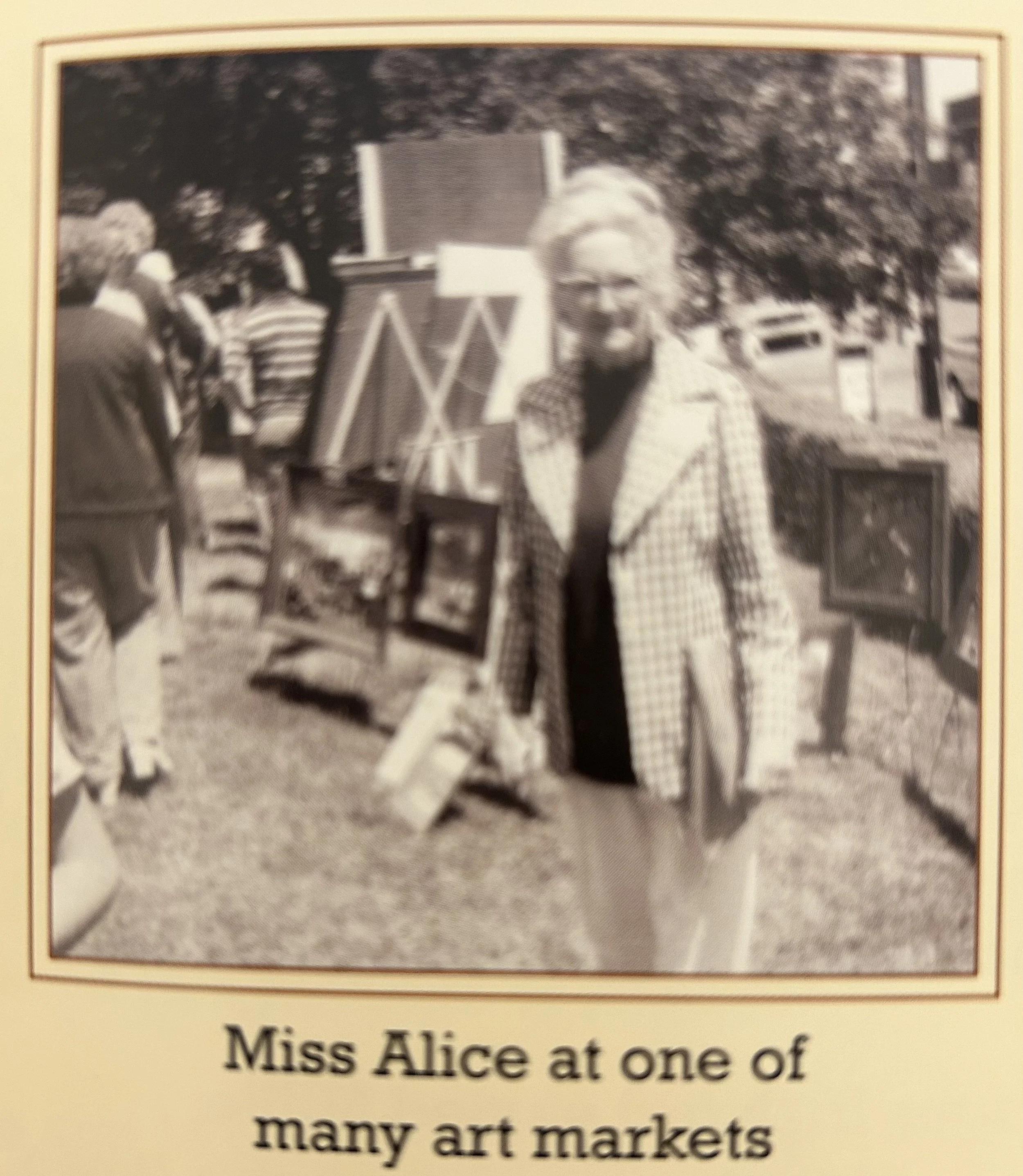
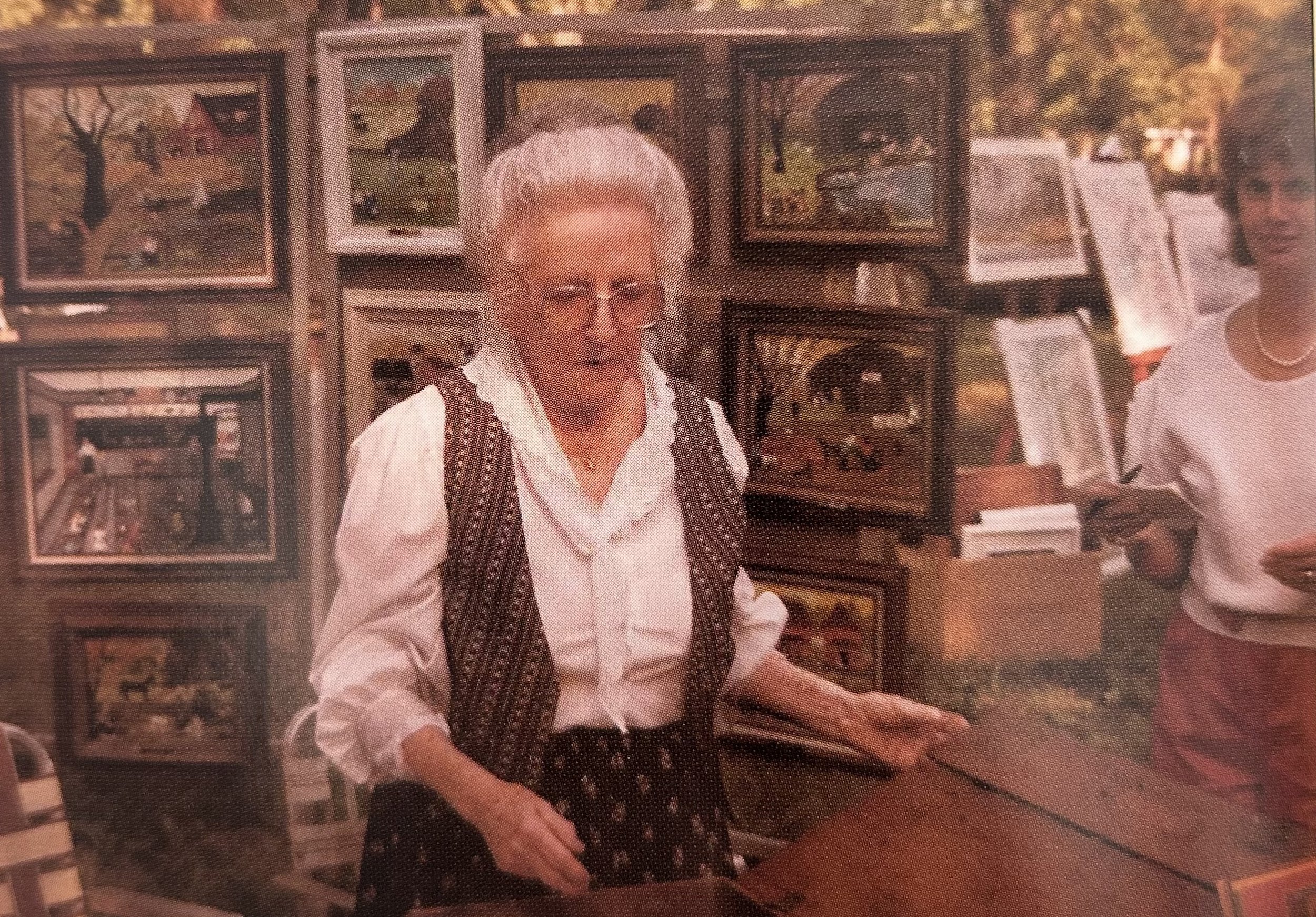
After her mother died, Alice began taking her work to flea markets, art shows, and small galleries. In the late 1970s, the paintings began to sell — and what had started as a personal outlet became a second career.
“I never would have painted if my mother hadn’t had Alzheimer’s.”
SHE PAINTED WHAT SHE KNEW
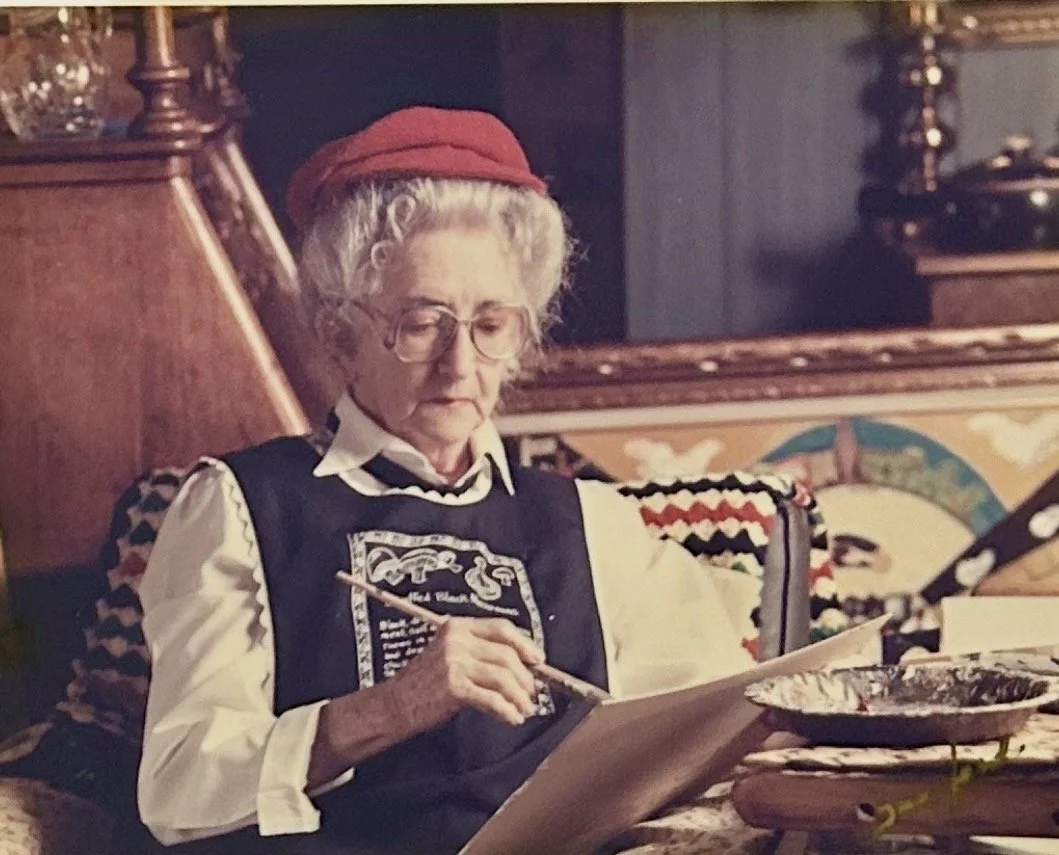
Alice never had formal art training, and she had little interest in following anyone else’s rules.
She painted from memory: family stories, animals, rural Southern life, people she had known, remarks she had overheard, and scenes that had stayed in her mind for decades.
Her paintings can be funny at first glance, then surprisingly tender underneath. Humor, hardship, faith, family, and everyday absurdity often live in the same scene.
“I’m kinda’ wild. I don’t conform to any set of art standards. I just paint what I feel.”
EVERY PAINTING HAD A STORY
Even the titles sound like Miss Alice: Life Is So Daily, The House Is Blue but the Old Lady Ain’t, and Until To-day I Thought I Was Folks.
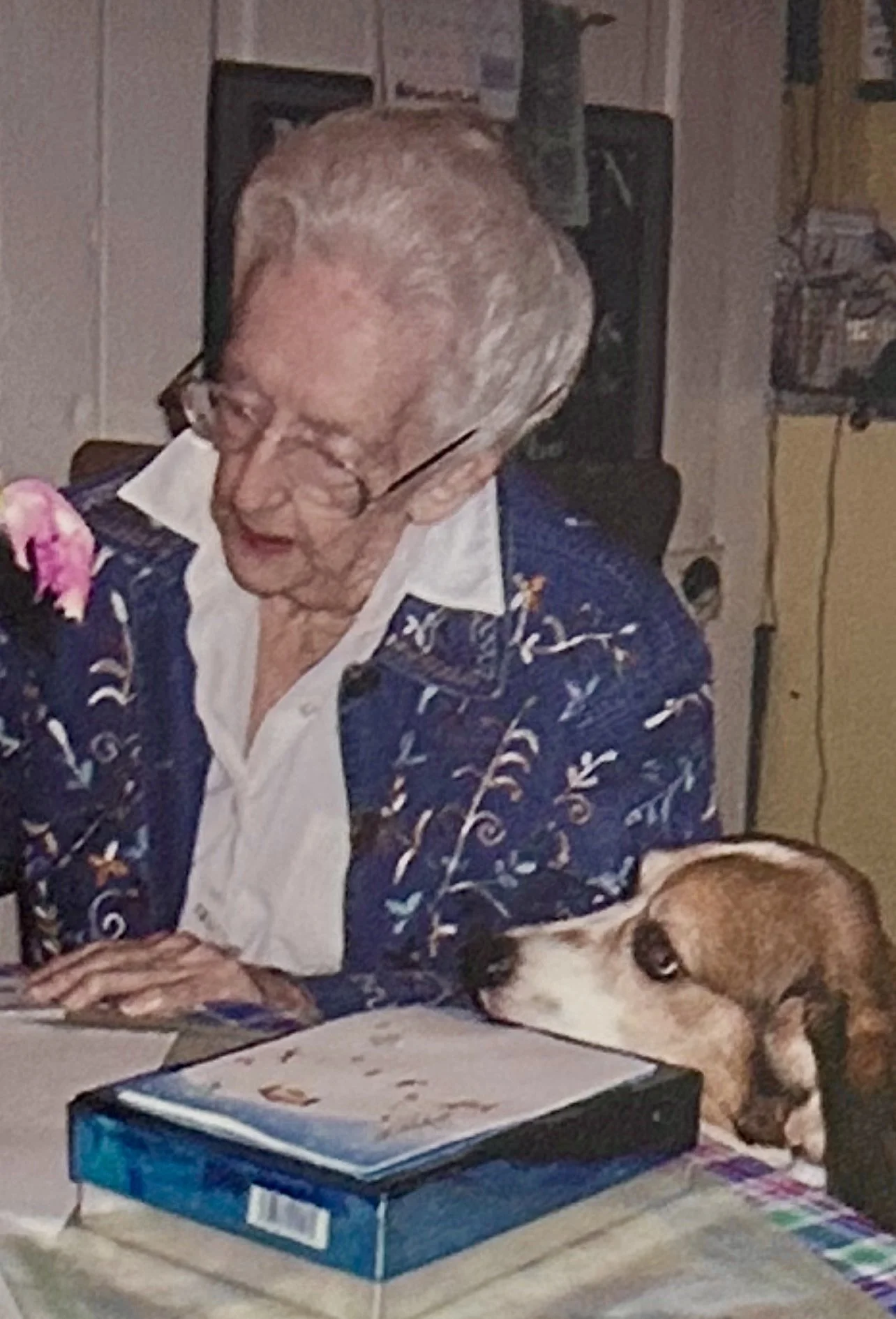
That last painting was inspired by Joe, the Moseleys’ beloved hunting dog. Alice imagined him arriving in heaven and discovering, to his surprise, that he had been a pet all along. The Moseleys had always treated him as one of the family.
“He thought he was a person, and we never told him anything different.”
THEN SHE FOUND BAY ST. LOUIS
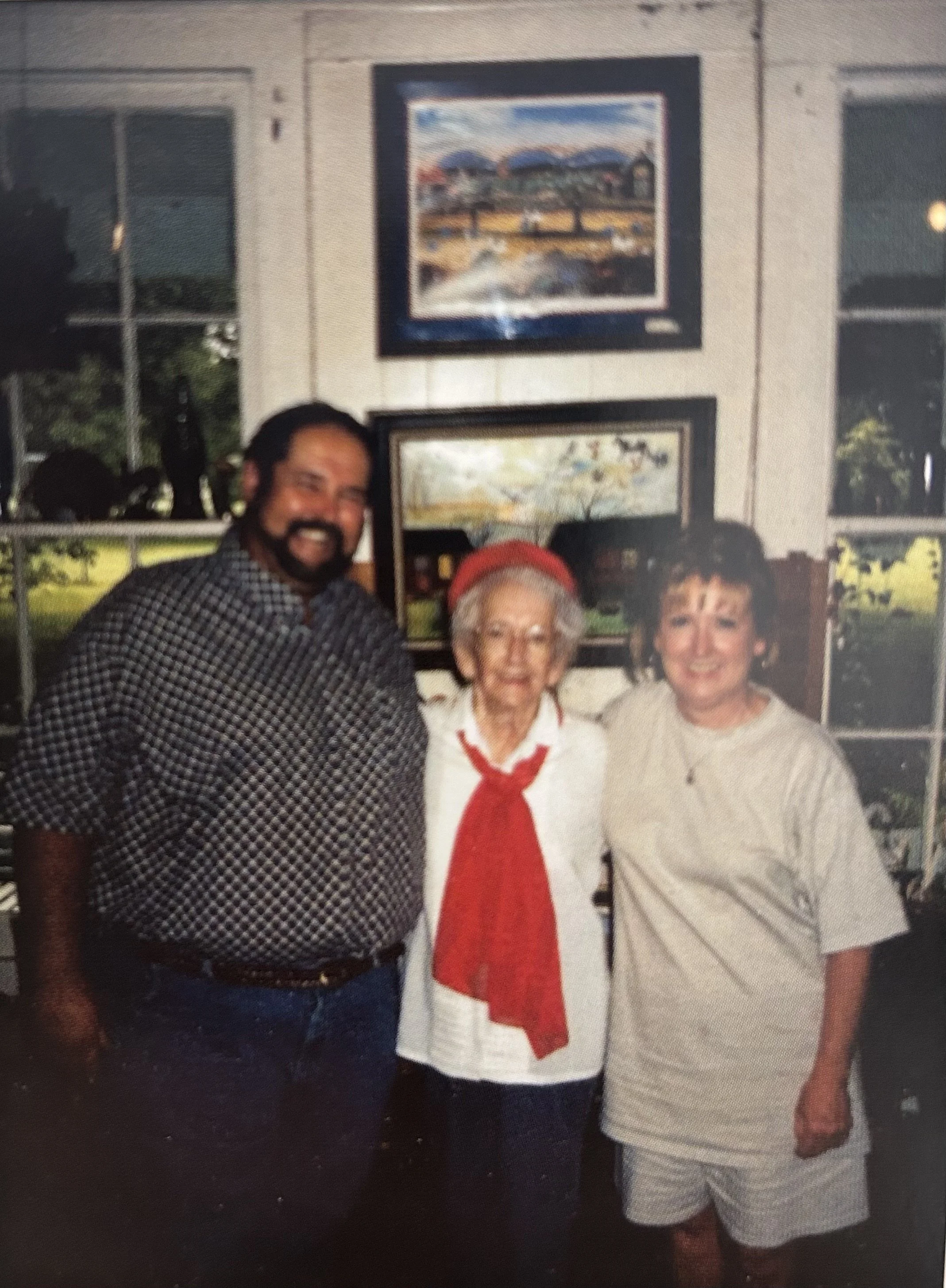
In 1988, an art show brought Alice to Bay St. Louis almost by chance.
She came for the show, met people who welcomed her warmly, and felt an immediate connection to the town.
She was nearly eighty years old.
Instead of deciding she was too old to start over, Alice returned north, sold her home, packed up her life, gathered her dogs, and moved to the Mississippi Gulf Coast.
“What difference should age make? If I want to go out and do something, I just go out and do it.”
THE LITTLE BLUE HOUSE
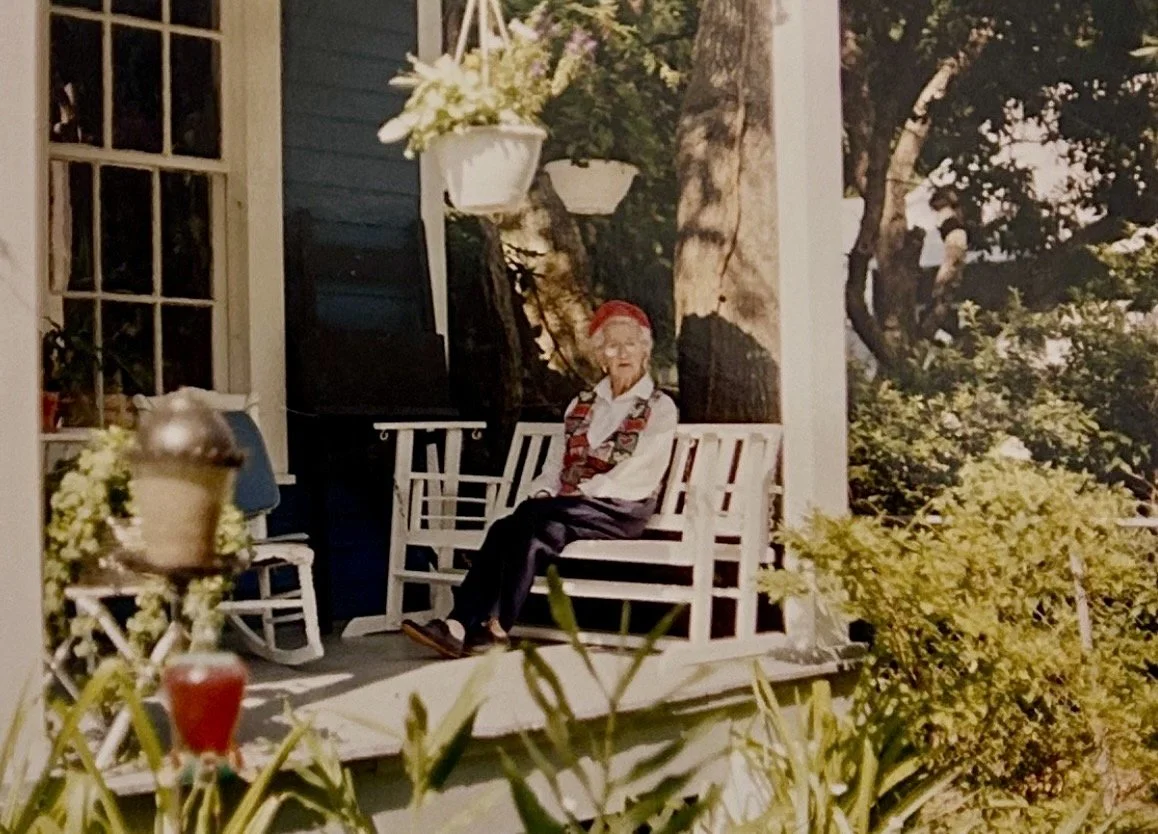
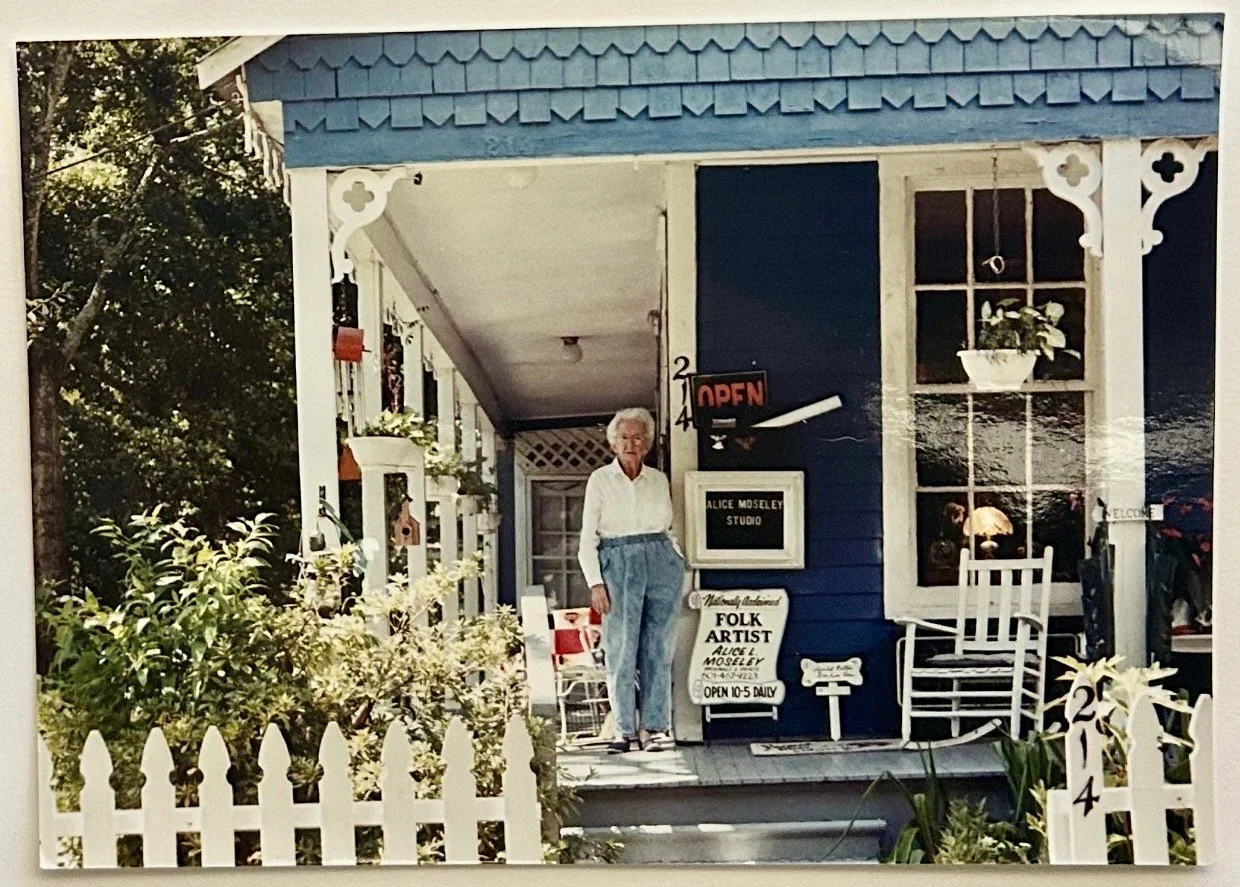
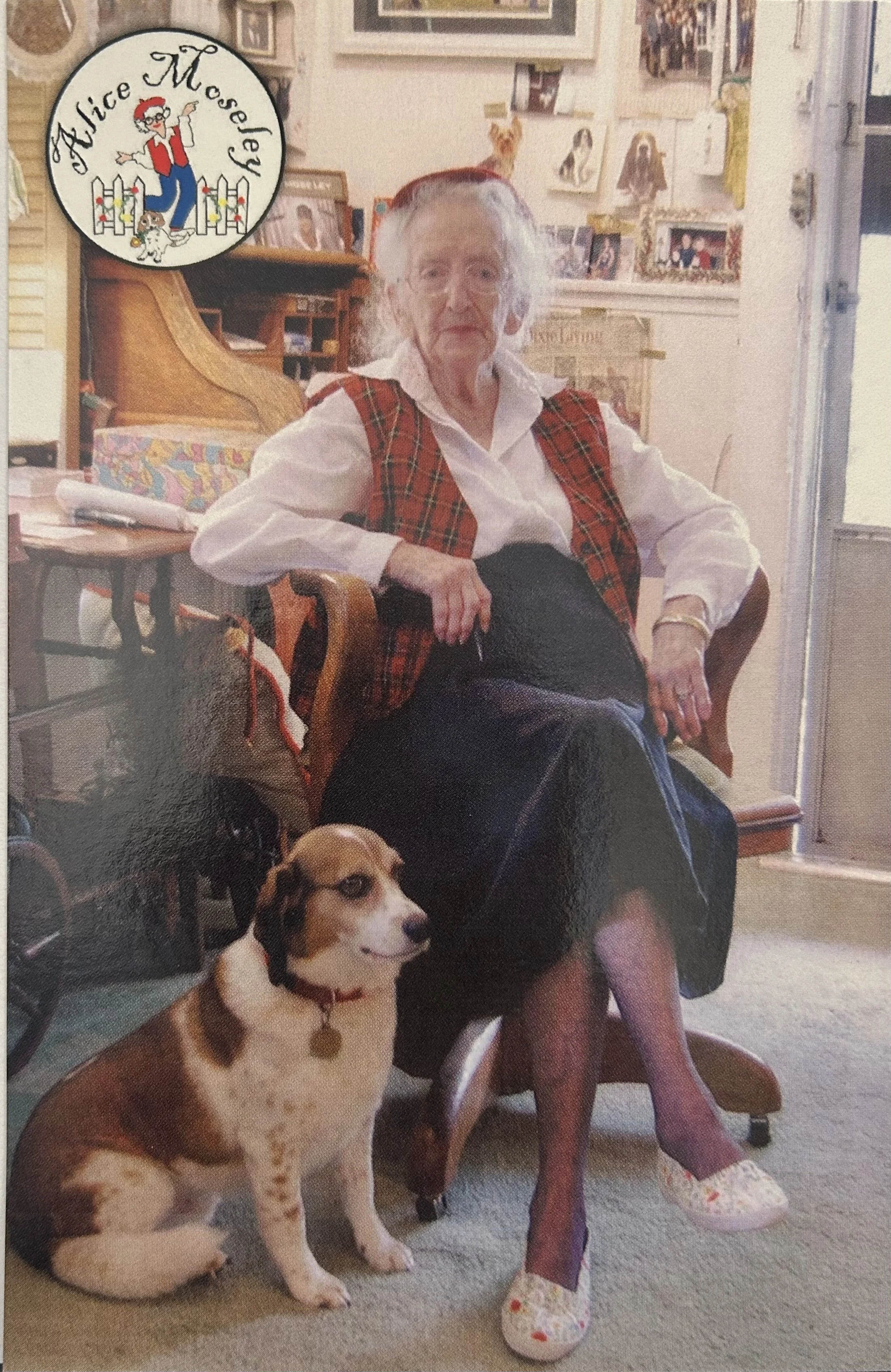
Alice’s blue house on Bookter Street became home, studio, gallery, and gathering place.
Visitors came for the paintings, but they also came for Miss Alice — the stories, the opinions, the humor, and the feeling that they had stepped into her world for a little while.
The house became part of her identity, and Miss Alice became part of Bay St. Louis.
A WHOLE LIFE, NOT JUST AN ART CAREER
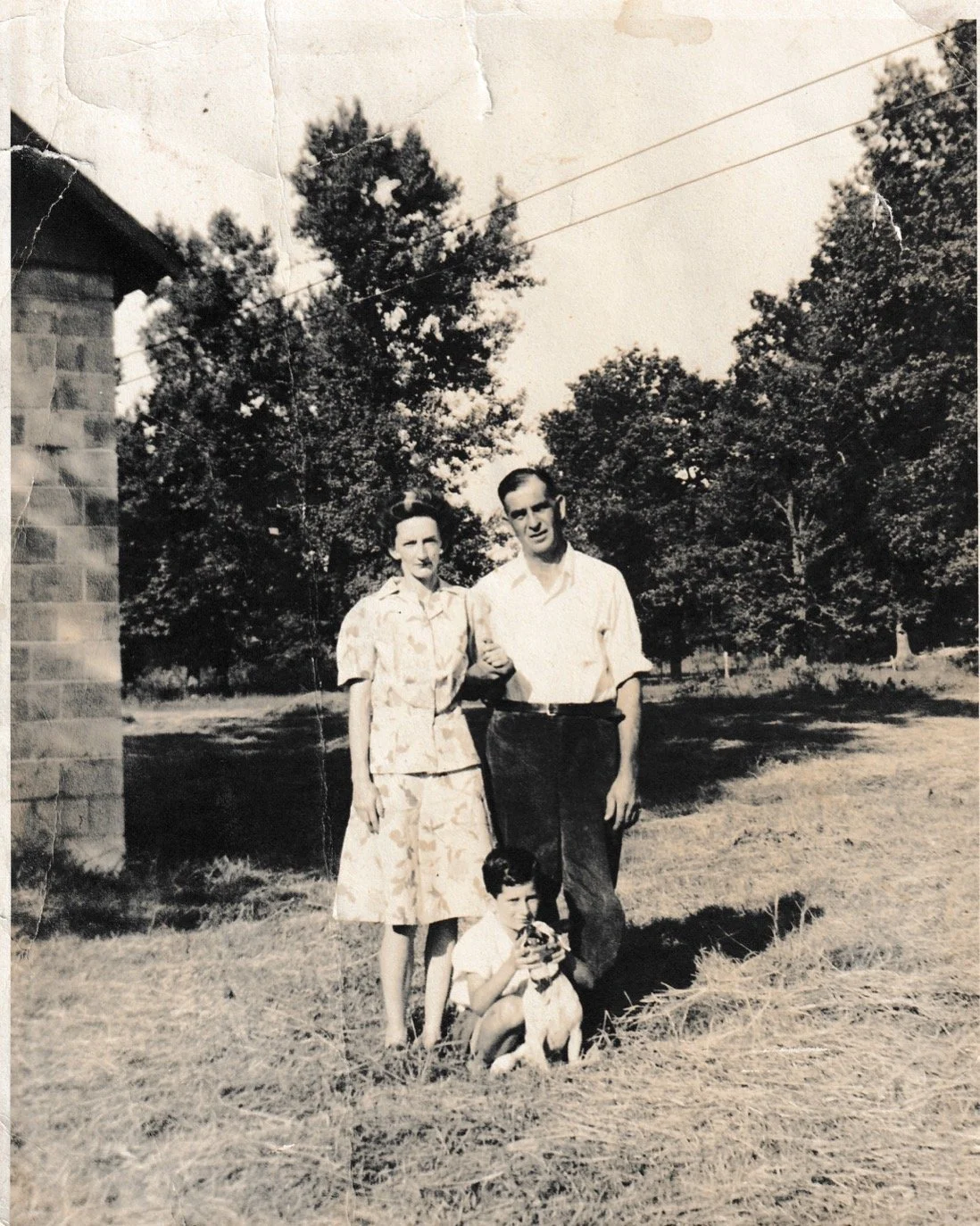
Alice had already been a daughter, student, wife, mother, teacher, caregiver, widow, and traveler before she became a professional artist.
Her nephew Mike Krawcheck recalled a family description of Alice as “a book whose destiny was to have many chapters.”
Few descriptions fit her better.
She kept beginning again. And because she began painting so late, her art arrived already full of a lifetime.
“A book whose destiny was to have many chapters.”
HER STORY IS STILL BEING TOLD
Alice Moseley died in 2004 at age 94, but her voice remains remarkably present in the work she left behind.
Today, the Alice Moseley Folk Art Museum preserves not only her paintings, but the stories, photographs, humor, family memories, and lived experience behind them.
At Alice’s insistence, her art remains available for everyone to experience.
That may be the best way to remember her: not simply as a folk artist, but as a woman who lived a long, complicated, funny, resilient life — and finally found a way to paint it.
“She will be in the memory of all of us for always.”
WANT TO KNOW MORE ABOUT MISS ALICE?
Her story, family photographs, memories, and the stories behind her paintings are collected in Alice Moseley: Her Life, Her Art, Her Legacy — a tribute compiled by her son, Tim Moseley, with contributions from family and friends.
Shop the Book — $12
Visit the Museum